
Mexico City rewards travelers who slow down. The altitude, the scale, the late-afternoon storms, and the way each neighborhood functions like its own small city all push back against the kind of itinerary that tries to do everything before dinner. The difference between a great CDMX week and an exhausting one is usually a question of pace — picking one neighborhood as a base, accepting that some days won’t get past lunch, and planning around the weather rather than ignoring it.
Mexico City is bigger and higher than people expect
Two facts tend to surprise first-time visitors more than anything in a guidebook.
The first is the altitude. Mexico City sits at 2,240 meters (about 7,350 feet) — higher than Denver, much higher than most travelers’ baseline. The first 24–48 hours can bring shortness of breath on stairs, mild headaches, faster fatigue, and a sharper appetite for water than usual. None of this is dangerous for healthy travelers, but it’s worth respecting: book a slower first day, skip the late-night arrival into a Roma rooftop bar, and treat hydration as a real part of the plan.
The second is the scale. Greater Mexico City is one of the largest urban areas in the world, and the parts a visitor cares about are spread further than they look on Google Maps. Coyoacán to Polanco can be 45 minutes in traffic. Even within the same city, cross-side trips eat real time. The version of the trip that works keeps most days within a 20–30 minute radius of where you sleep, and treats cross-city days as their own full day.
This is also why the answer to “which neighborhood?” matters more in CDMX than in most other cities. Roma and Polanco are different vacations, not different streets.
Picking a base: five neighborhoods, five different versions of the trip
There’s no shortage of safe, walkable areas. The differences are about pace, price, and what your evenings will look like.
Roma Norte — The default first-time base. Tree-lined streets, dense food, strong café culture, walkable mornings, and plenty of restaurants where it makes sense to actually book ahead. This is where most international visitors end up, and for good reason: the density of “I want to go there” is unusually high per block. Tradeoff: it has become busier and pricier in the last few years, and the most-Instagrammed blocks can feel crowded on weekends.
La Condesa — Quieter, greener, more residential. Built around Parque México and Parque España, with a slower morning rhythm and a different evening energy than Roma. Slightly less variety of restaurants, but easier on the senses. Choose this if Roma feels like too much and you want walking distance to a real park.
Polanco — Polished, expensive, business-oriented. The best museum cluster in the city (Museo Soumaya, Museo Jumex, Antropología nearby), high-end shopping, and the safest-feeling streets after dark. Tradeoff: it’s the priciest base, and the neighborhood is less “neighborhood” and more “boulevards” — fewer hole-in-the-wall finds, more polished destinations.
Centro Histórico — The historical heart, with the Zócalo, the Templo Mayor, the Palacio de Bellas Artes, and dozens of museums within walking distance. Great for one or two days of dense sightseeing. As a base, it has gotten better in recent years, but it still empties out in the evening, and noise levels around the main streets are higher than in Roma or Condesa. Strong choice if your trip is short and historical sites are the priority.
Coyoacán — The leafy, lower-rise southern district that locals often retreat to on weekends. Frida Kahlo’s house, leafy plazas, slower mornings, much more “village” than the central neighborhoods. The tradeoff is real: you’ll spend more time getting to and from the central areas. Useful as a second base on a longer trip, or for travelers who want a calmer week and don’t mind the trade-off in transit time.
Skip Tepito, Iztapalapa, Doctores, and parts of Centro late at night unless you have a specific reason. Most of CDMX is safer than its reputation, but a few districts are still actively risky for tourists; ask your hotel rather than guessing.
Getting around without losing half your day
Mexico City has one of the cheapest, most extensive transit systems in the world, and one of the cheapest functioning rideshare markets. Travelers who don’t try either often end up paying more and seeing less.
Metro. The Sistema de Transporte Colectivo is fast, frequent, and costs 5 pesos per ride (around $0.30 USD). It connects most parts of the city you’ll care about, including the Zócalo, the Centro, the Polanco edge (Auditorio is the closest stop), and points south. The peak-hour cars are genuinely crowded — phones go away, day bags come to the front. Off-peak it is one of the easier subways anywhere.
Metrobús. The dedicated bus lanes that handle the routes the Metro doesn’t cover. Most useful for Reforma corridor trips. 6 pesos with a city Movilidad Integrada card.
Uber and Didi. Both work well, both are inexpensive by US or European standards, and both are the right call for short hops at night, airport runs, or any trip with luggage. A 20-minute Uber across the central neighborhoods often runs 80–150 pesos (around $5–9 USD).
Walking. Roma, Condesa, parts of Polanco, and Centro are properly walkable. Crossing between neighborhoods on foot mostly isn’t — sidewalks, traffic, and distance add up faster than the map suggests.
A realistic mix for a first trip: Metro and walking inside the central neighborhoods, Uber for cross-town evenings and any trip with bags.
The rainy season: what June through September actually feels like
Late spring through early autumn is the rainy season. Most days start dry and bright, the city looks its greenest, and a heavy storm rolls in sometime between 3 p.m. and 7 p.m. — sometimes brief, sometimes a full evening. July averages the most rainy days of any month, with rain falling on roughly two-thirds of days.
What this actually means for planning:
- Mornings are for outdoor things. Walking, parks, markets, neighborhood food crawls.
- Afternoons are for inside things. Museums, long lunches, cafés, indoor markets, taquerías with a roof.
- Evenings stay flexible. A clear evening is a rooftop window; a wet one is a dinner reservation.
Temperatures stay comfortable — typically 13–25°C (mid-50s to high-70s°F). It rarely feels hot in the way that inland LA or Houston do. The high altitude means strong sun even on overcast days; a light layer for mornings and evenings is more useful than a heavy coat.
A loose five-day shape that works
This is a structure, not a checklist. The point is to spread the dense days across light ones, so the altitude and the afternoon rains don’t accumulate.
- Day 1 (arrival): Land, settle into the base. Slow neighborhood walk, café, early dinner near the hotel. Skip the late night.
- Day 2 (your base): One full day inside the neighborhood — markets, taco crawls, cafés, parks. Build the mental map.
- Day 3 (Centro Histórico): Zócalo, Templo Mayor, Bellas Artes, a long lunch, Alameda Central. Return to base for dinner.
- Day 4 (museums): The Polanco/Chapultepec museum cluster (Antropología, Soumaya, Jumex) as a full day.
- Day 5 (Coyoacán or Xochimilco): A slower southern day — Coyoacán’s plazas, the Frida Kahlo house, optional Xochimilco trajineras in the afternoon if weather cooperates.
For a longer trip, the easy add-ons are Teotihuacán (full day, leave early), Puebla (two hours by bus, a real city in its own right), or a slower second base in Coyoacán or San Ángel.
What disappoints first-time visitors
The honest list:
- The first day is hard. Altitude, jet lag, traffic, and the size of the city compress into one tiring afternoon. Plan around it.
- The famous restaurants need reservations. Pujol, Quintonil, Contramar, Máximo Bistrot — these often book two to four weeks ahead, sometimes more. If they matter, book before you fly.
- Cross-city days eat the schedule. Polanco to Coyoacán is a real trip. Pick one cross-town move per day, not three.
- Sidewalks are uneven. Comfortable shoes matter more than a guidebook would suggest. The city is walkable, but not a “wheel your suitcase across town” walkable.
- Cash and small bills. Card acceptance is wide in restaurants and bars but uneven in taquerías, taxis, markets, and many small museums. Carry small bills.
- Air quality varies. On still days, especially May before the rains, the air can feel heavy. June through September are usually clearer because the rain cleans the air, but a single bad day can still happen.
None of this makes CDMX a bad trip. It makes it a trip that rewards planning for the city the way it actually is — slower, larger, higher, wetter — rather than the city a glossy itinerary imagines.
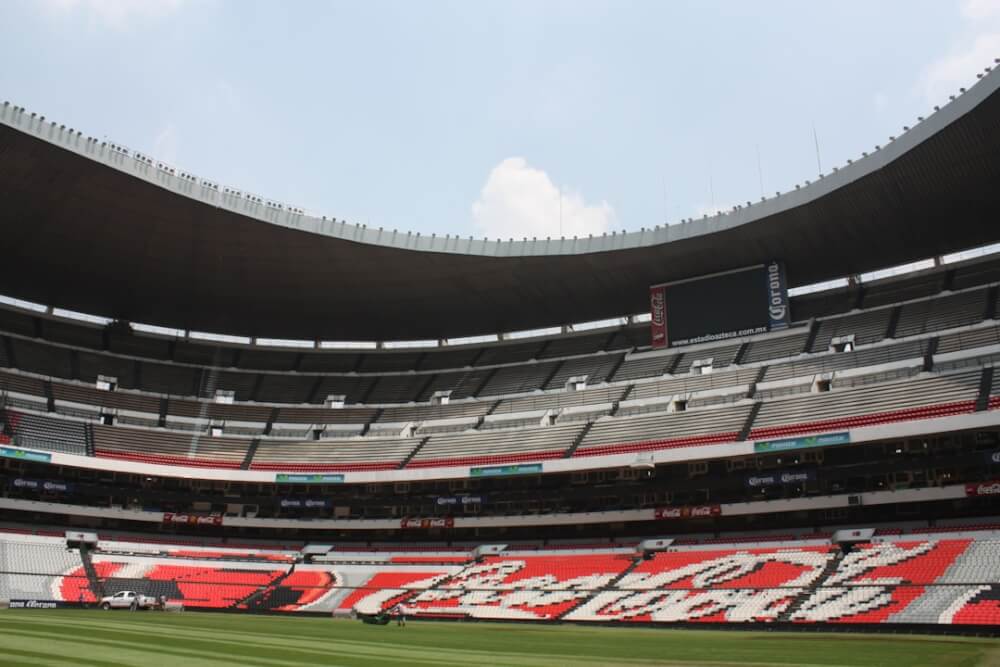
Visiting during the 2026 FIFA World Cup? The Estadio Azteca hosts five matches, including the tournament opener on June 11. The match-day logistics — Tren Ligero routing, the Zócalo Fan Festival, and where to base on multi-match trips — sit in a separate piece: The Estadio Azteca at Its Third World Cup.