
Guadalajara isn’t Mexico City. It’s smaller, slower, more visibly colonial, and built on a different kind of food and music scene. The city sits in the agave heartland — Tequila itself is a 90-minute drive away — and a trip here usually moves at a pace that visitors coming from CDMX find immediately welcome. The downtown core feels less hectic, the restaurants are denser per block in a couple of specific neighborhoods, and the airport is closer to the center than in most large Mexican cities. A 4–5 day Guadalajara visit is the version that works for most travelers, with optional add-ons for tequila country or Tlaquepaque.
Guadalajara is mid-size and feels it
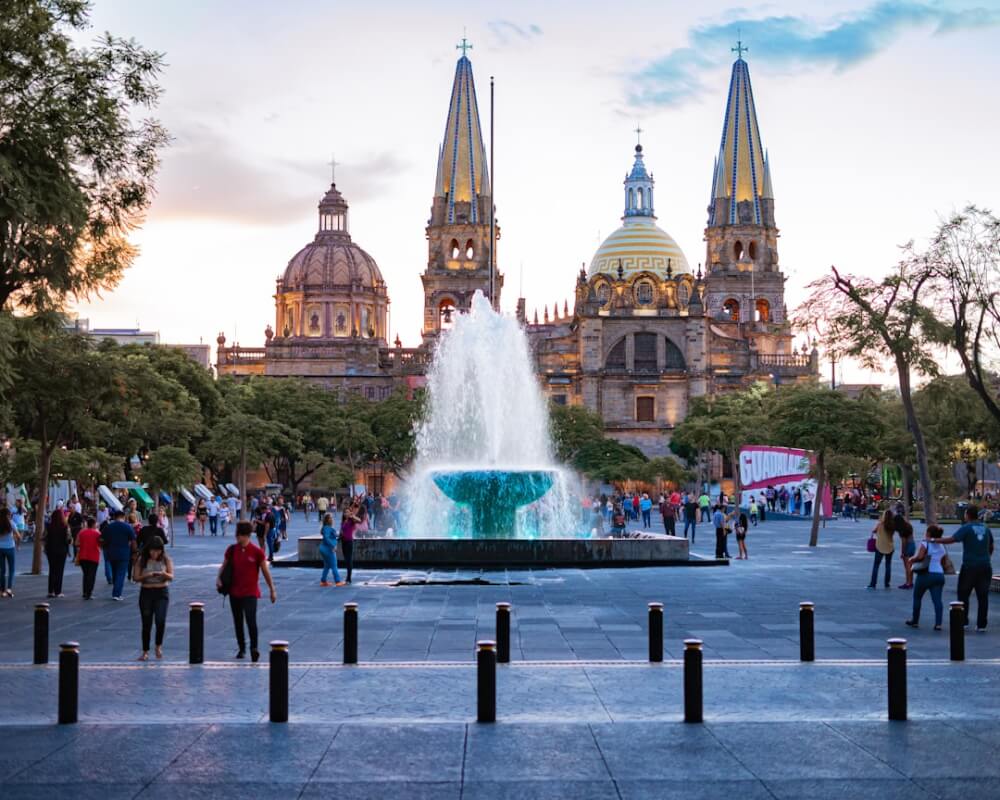
The thing first-time visitors notice within the first day: the downtown is more walkable than Mexico City’s. The historic core — anchored by the Catedral, Plaza de la Liberación, the Teatro Degollado, and the Palacio de Gobierno — is genuinely compact. Most of the visitor neighborhoods that matter (Chapultepec, Lafayette, Colonia Americana) sit within 15–25 minutes of each other on foot or by Uber.
The metro area is large (5+ million), but the tourist Guadalajara is concentrated in about three neighborhoods. Outside those, the city is mostly suburban and not particularly interesting for visitors.
Where the city actually lives:
- Centro Histórico — the historic core, with the Catedral, Plaza de la Liberación, and the murals at the Instituto Cultural Cabañas
- Colonia Americana / Chapultepec / Lafayette — the central “trendy” neighborhood: cafés, bars, restaurants, walkable streets, the best food per block in the city
- Providencia — upscale residential, quieter, with the Galerías shopping mall
- Tlaquepaque — adjacent municipality, artisan shops, historic plazas, walkable old core
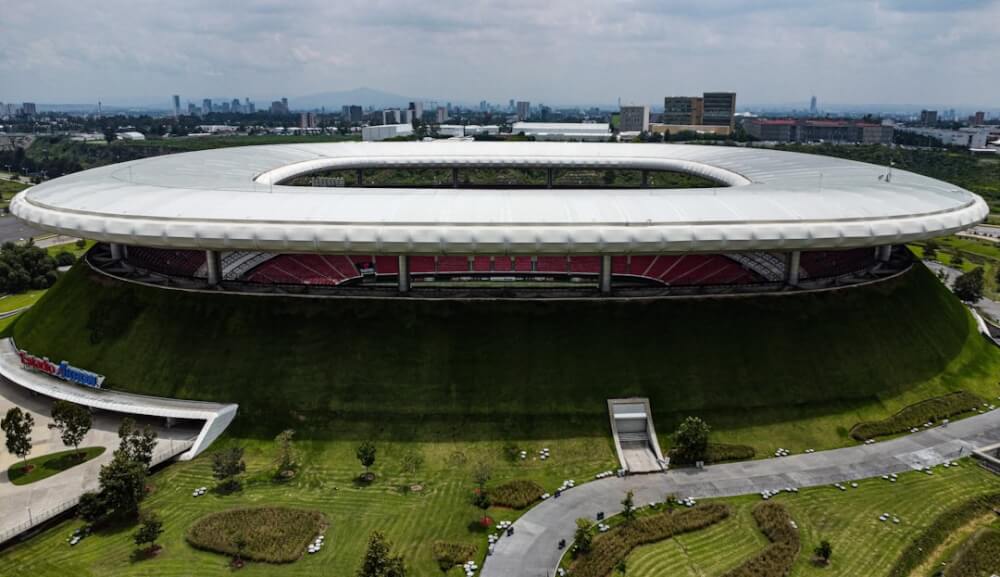
- Zapopan — adjacent municipality, where the stadium is and where most of the metro’s commercial development happens
Picking a base: four areas, four different versions of the trip
Chapultepec / Colonia Americana / Lafayette — The default first-time base. The pedestrian-friendly Avenida Chapultepec is the city’s main evening street, lined with taquerías, bars, and late-night cafés. Walking distance to most of the downtown sights via a 15–20 minute walk east. Strong base for almost any first trip.
Centro Histórico — A base in the historic core itself, with the Catedral and Plaza de la Liberación at the doorstep. Walkable to the Hospicio Cabañas murals, the Mercado San Juan de Dios (one of Mexico’s largest markets), and the Teatro Degollado. Tradeoff: some surrounding blocks empty out at night, and the food scene is more touristy than in Colonia Americana. Strong for a history-focused trip.
Providencia — Quieter, leafier, upscale. Restaurants and a major shopping mall (Galerías), with a residential feel. Tradeoff: you’ll Uber for most cross-city trips. Strong choice for a calmer trip or for travelers prioritizing safety and quiet.
Tlaquepaque — A nominally separate municipality southeast of central Guadalajara, with a charming old town of artisan shops, plazas, and cobblestone streets. Strong base for travelers interested in the crafts scene or who want a slower, smaller-feel base; you’ll need Uber or taxi for trips into central Guadalajara.
Zapopan is fine for a stadium-adjacent short stay (the home of Estadio Akron and Chivas) but doesn’t make sense as a vacation base — it’s mostly suburban.
Getting around: Uber, walking, and a useful (if limited) transit system
Guadalajara has urban transit, but most visitors end up on Uber for cross-neighborhood trips.
Uber. The default. Inexpensive by US/European standards — most cross-city trips run 60–150 pesos ($3–9 USD). Surge pricing is real around match days and Friday/Saturday evenings.
Mi Macro Periférico and Mi Macro Calzada — BRT (bus rapid transit) lines that cover specific corridors. Useful if your trip aligns with them; usually it doesn’t.
Tren Eléctrico Urbano (Line 3) — A modern light-rail line connecting Zapopan, downtown Guadalajara, and Tlaquepaque. The most useful tool for visitors: it directly connects three of the most relevant areas. The Centro stop is a short walk from Plaza de la Liberación.
Walking. Real inside Centro Histórico, inside Colonia Americana, and inside Tlaquepaque’s old core. Walking between these is mostly a transit or Uber trip.
A reasonable mix: walking inside the base neighborhood, Uber for cross-city trips, Tren Eléctrico Line 3 for the specific Zapopan–Centro–Tlaquepaque corridor.
Summer in Guadalajara: high-elevation rainy season
Guadalajara sits at 1,560 meters — high enough that the heat is moderated, low enough that the altitude doesn’t cause real adjustment problems for most visitors. June through September is the rainy season, with the same pattern as Mexico City: dry mornings, heavy afternoon storms, clear evenings.
What this means for planning:
- June and July afternoons see rain on most days, usually between 3 p.m. and 7 p.m., often dramatic but brief
- Daily temperatures typically run 17–28°C (mid-60s to low 80s°F) — milder than Houston or Miami
- The light is bright even on overcast days because of the elevation
- Outdoor sights and walks sit better in the morning; afternoons for the markets, museums, and indoor restaurants
- Sunset runs around 8:30 p.m. in midsummer — long evenings
The rainy season is also the city’s greenest, with Bougainvillea and jacaranda still blooming in early summer.
A loose four-day shape that works
This is the rhythm that produces a good first Guadalajara trip.
- Day 1 (arrival): Land at GDL airport (a 30-minute Uber from central Guadalajara), settle into the base. Light neighborhood walk, dinner on Avenida Chapultepec.
- Day 2 (Centro Histórico): Catedral, Plaza de la Liberación, Hospicio Cabañas (the Orozco murals), Mercado San Juan de Dios. Long lunch downtown, evening back in Chapultepec.
- Day 3 (Tlaquepaque): Tren Eléctrico Line 3 to Tlaquepaque, morning in the artisan shops, lunch at one of the plaza restaurants, afternoon for crafts and the slower pace.
- Day 4 (Tequila day trip): Tequila town is about 90 minutes by car or the Jose Cuervo Express train — distillery tours, the agave fields, lunch in town. Return for a quiet evening.
For longer trips, the easy add-ons are Lake Chapala (the expat-heavy lakeside town, 45 minutes south), Puerto Vallarta (4 hours by car or a 50-minute flight to the Pacific coast), or a second day in Tequila for a slower distillery visit.
What disappoints first-time visitors
The honest list:
- The historic center isn’t where you sleep. Most travelers like the Centro for sightseeing but prefer Colonia Americana for evenings.
- Some Centro blocks empty out at night. Stay closer to Avenida Hidalgo and the main plazas after dark, or Uber back to the base neighborhood.
- The Mariachi at Plaza de los Mariachis is more of a show than a meal. The music is good; the food and atmosphere are tourist-priced.
- Tlaquepaque is small. A half-day to a day, not a multi-day base.
- Uber surge is real on match days and weekend nights. Build buffer for Saturday-night returns.
- Tequila tours run on Mexican time. Allow generous return-trip windows.
None of this makes Guadalajara a bad trip. It makes it a city that rewards a Colonia Americana base, a slower pace than Mexico City demands, and one full day on the agave fields.
Visiting during the 2026 FIFA World Cup? Estadio Akron in Zapopan hosts four group-stage matches, including Mexico vs South Korea on June 18 and the tournament’s opening Group A match on June 11. No knockout rounds are played in Mexico — every match here is a group game. The match-day logistics, the Plaza Liberación Fan Festival, and the Tren Eléctrico stadium route sit in a separate piece: Group Stage in Zapopan: Estadio Akron at the 2026 World Cup.